Sale
Piper-Heidsieck Essentiel Blanc de Blancs (Gift Boxed)
Product Description:Purity, freshness and fine mineral definition shape Piper-Heidsieck Essentiel Blanc de Blancs, an Extra Brut Champagne presente...
View full details
Sale
Product Description:Purity, freshness and fine mineral definition shape Piper-Heidsieck Essentiel Blanc de Blancs, an Extra Brut Champagne presente...
View full details
Sale
Product Description:Savoury complexity, mature-vine concentration and finely controlled structure define the Bannockburn Pinot Noir 2025, a distinc...
View full details
Sale
Product Description:Estate-grown depth, cool-climate precision and mature-vine complexity define the Bannockburn Chardonnay 2025, a distinguished e...
View full details
Sale
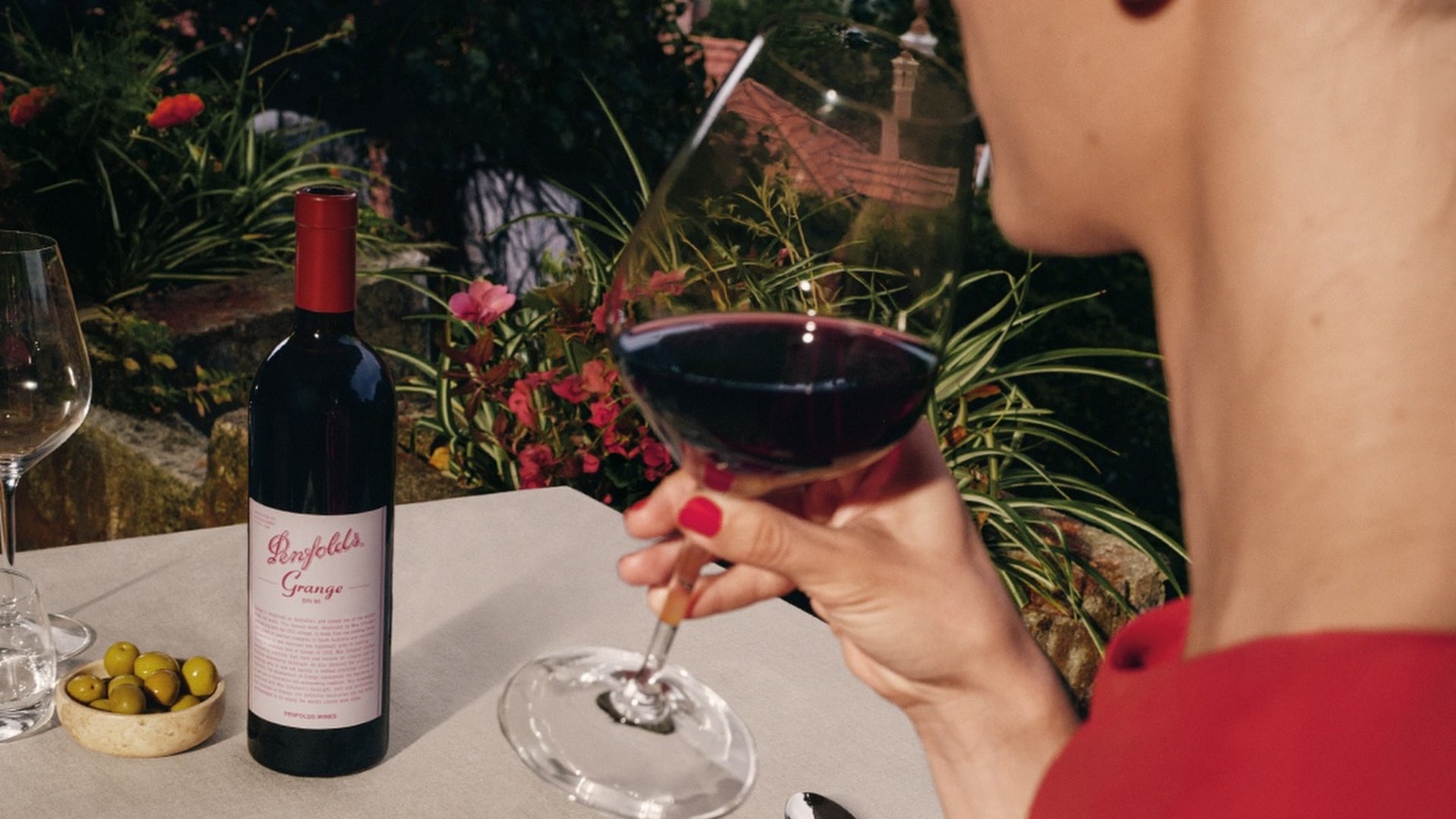
Product Description:Depth, authority and extraordinary ageing potential define the Penfolds Bin 95 Grange Shiraz 2022. Grange represents the most p...
View full details
Sale
The Penfolds Grange TrilogyThree defining vintages. One iconic wine. A collector's moment. Some wines are made. Grange is composed. Since 1951, it...
View full detailsREVIEWS + ACCOLADES
98 Points
Cabernet structure, Shiraz richness and polished longevity define the Penfolds Bin 389 Cabernet Shiraz 2024. First produced in 1960 by legendary Penfolds winemaker Max Schubert, Bin 389 has become one of Australia’s most recognised Cabernet Shiraz blends. The wine is often called “Baby Grange,” partly because components are traditionally matured in barrels previously used for the preceding vintage of Penfolds Grange. The 2024 release comprises 53% Cabernet Sauvignon and 47% Shiraz, combining the varietal definition of Cabernet with the generous fruit and mid-palate weight of Shiraz. Fruit was selected from Coonawarra, Barossa Valley, McLaren Vale and Padthaway, demonstrating Penfolds’ established multi-regional blending philosophy. The growing season began with below-average winter rainfall, resulting in reduced soil moisture and placing greater importance on balanced vineyard growth.
Variable spring conditions and isolated periods of high temperatures affected fruit set in the Barossa Valley and McLaren Vale, while the cooler climates of Coonawarra and Padthaway moderated canopy development. December rainfall replenished the vineyards before warm and dry conditions returned from January, accelerating ripening and building concentration. A period of intense heat during March was followed by cooler April weather, allowing the winemaking team to make considered harvest decisions across the individual regions. The resulting small berries contributed concentrated flavour, savoury intensity and firm tannin structure suited to the traditional Bin 389 style. The wine was matured for 13 months in American oak hogsheads, of which 34% were new, providing sweetness, spice and structural support. Its aromatic profile combines mulberry and assorted black and red fruits with ironstone, black olive, green peppercorn, tobacco leaf, Italian herbs and lifted violet. The palate is rich and layered, revealing dark chocolate, cherry liqueur and blueberry alongside fresh acidity and silken, talc-like tannins. Powerful yet finely resolved, the wine possesses the balance, persistence and authority to develop over several decades, with Penfolds recommending a peak drinking window extending through 2051.
Cabernet structure, Shiraz richness and polished longevity define the Penfolds Bin 389 Cabernet Shiraz 2024. First produced in 1960 by legendary Penfolds winemaker Max Schubert, Bin 389 has become one of Australia’s most recognised Cabernet Shiraz blends. The wine is often called “Baby Grange,” partly because components are traditionally matured in barrels previously used for the preceding vintage of Penfolds Grange. The 2024 release comprises 53% Cabernet Sauvignon and 47% Shiraz, combining the varietal definition of Cabernet with the generous fruit and mid-palate weight of Shiraz. Fruit was selected from Coonawarra, Barossa Valley, McLaren Vale and Padthaway, demonstrating Penfolds’ established multi-regional blending philosophy. The growing season began with below-average winter rainfall, resulting in reduced soil moisture and placing greater importance on balanced vineyard growth.
Variable spring conditions and isolated periods of high temperatures affected fruit set in the Barossa Valley and McLaren Vale, while the cooler climates of Coonawarra and Padthaway moderated canopy development. December rainfall replenished the vineyards before warm and dry conditions returned from January, accelerating ripening and building concentration. A period of intense heat during March was followed by cooler April weather, allowing the winemaking team to make considered harvest decisions across the individual regions. The resulting small berries contributed concentrated flavour, savoury intensity and firm tannin structure suited to the traditional Bin 389 style. The wine was matured for 13 months in American oak hogsheads, of which 34% were new, providing sweetness, spice and structural support. Its aromatic profile combines mulberry and assorted black and red fruits with ironstone, black olive, green peppercorn, tobacco leaf, Italian herbs and lifted violet. The palate is rich and layered, revealing dark chocolate, cherry liqueur and blueberry alongside fresh acidity and silken, talc-like tannins. Powerful yet finely resolved, the wine possesses the balance, persistence and authority to develop over several decades, with Penfolds recommending a peak drinking window extending through 2051.
A classic Bin 389 with abundant cassis, blackberry fruits, lovely chocolaty textures and well-balanced roasted chestnut, vanilla, marzipan notes.
There is plenty of purpose, future and drive, with the big structure still dominating the narrative. In fact, it’s quite tight through the mid-palate. It needs time, no doubt about that.
This is a highly complex and somewhat unpredictable wine that might confound lovers of this Bin, but also recruit new tasters to the fold.
Founded in 1844 by Dr Christopher and Mary Penfold at Magill Estate in South Australia, Penfolds has grown from a small colonial winery into one of Australia’s most significant wine producers. Its history has been shaped by generations of winemakers willing to challenge convention while preserving a remarkably consistent approach to style and quality.
Mary Penfold played a defining role in the winery’s early development, overseeing production and experimenting with grape varieties and winemaking techniques as the estate expanded. A century later, Max Schubert would transform Penfolds again. Appointed the company’s first Chief Winemaker in 1948, his ambition to create an Australian red capable of developing over decades led to the first experimental Grange in 1951.
That spirit of experimentation has continued through successive generations of Penfolds winemakers. From benchmark Australian wines including Grange, St Henri and Bin 707 to contemporary projects extending beyond Australia, the House has continued to evolve while maintaining a winemaking lineage stretching back more than 180 years.
Penfolds has long approached wine differently. Rather than defining its greatest wines exclusively through a single vineyard or region, the House has built its reputation around a philosophy of blending across vineyards, districts and, where appropriate, regions to achieve a consistent expression of style.
This approach allows the winemaking team to select fruit according to quality and character rather than geography alone. South Australia remains fundamental, with regions including the Barossa Valley, Coonawarra, McLaren Vale and Adelaide Hills contributing distinctive elements across the portfolio. Individual vineyards also play important roles, including the historic Magill Estate and Kalimna Vineyard.
Continuity is equally important. Each generation of Penfolds winemakers inherits established wine styles rather than simply imposing its own, refining them as vineyards, vintages and winemaking evolve. Structure, balance and the capacity to develop with age remain central to many of the House’s most important wines.
Today, that philosophy extends from Australia to winemaking projects in California, France and China. The geography may have expanded, but the underlying idea remains recognisably Penfolds: sourcing exceptional fruit and bringing its components together to create a wine greater than any single element.
Mulberry, black and red fruits, sweet spice, ironstone and black olive with green peppercorn, crème brûlée, tobacco leaf, Italian herbs, violet and lavender.
Dark chocolate, cherry liqueur and blueberry with coconut and savoury squid-ink nuances, supported by vibrant acidity and finely resolved, talc-like tannins.
Persistent dark fruit, chocolate and savoury spice carried by fresh acidity, polished American oak and silky tannins.