Sale
Piper-Heidsieck Essentiel Blanc de Blancs (Gift Boxed)
Product Description:Purity, freshness and fine mineral definition shape Piper-Heidsieck Essentiel Blanc de Blancs, an Extra Brut Champagne presente...
View full details
Sale
Product Description:Purity, freshness and fine mineral definition shape Piper-Heidsieck Essentiel Blanc de Blancs, an Extra Brut Champagne presente...
View full details
Sale
Product Description:Savoury complexity, mature-vine concentration and finely controlled structure define the Bannockburn Pinot Noir 2025, a distinc...
View full details
Sale
Product Description:Estate-grown depth, cool-climate precision and mature-vine complexity define the Bannockburn Chardonnay 2025, a distinguished e...
View full details
Sale
The Penfolds Grange TrilogyThree defining vintages. One iconic wine. A collector's moment. Some wines are made. Grange is composed. Since 1951, it...
View full details
Sale
Product Description:Depth, authority and extraordinary ageing potential define the Penfolds Bin 95 Grange Shiraz 2022. Grange represents the most p...
View full detailsREVIEWS + ACCOLADES
97 Points
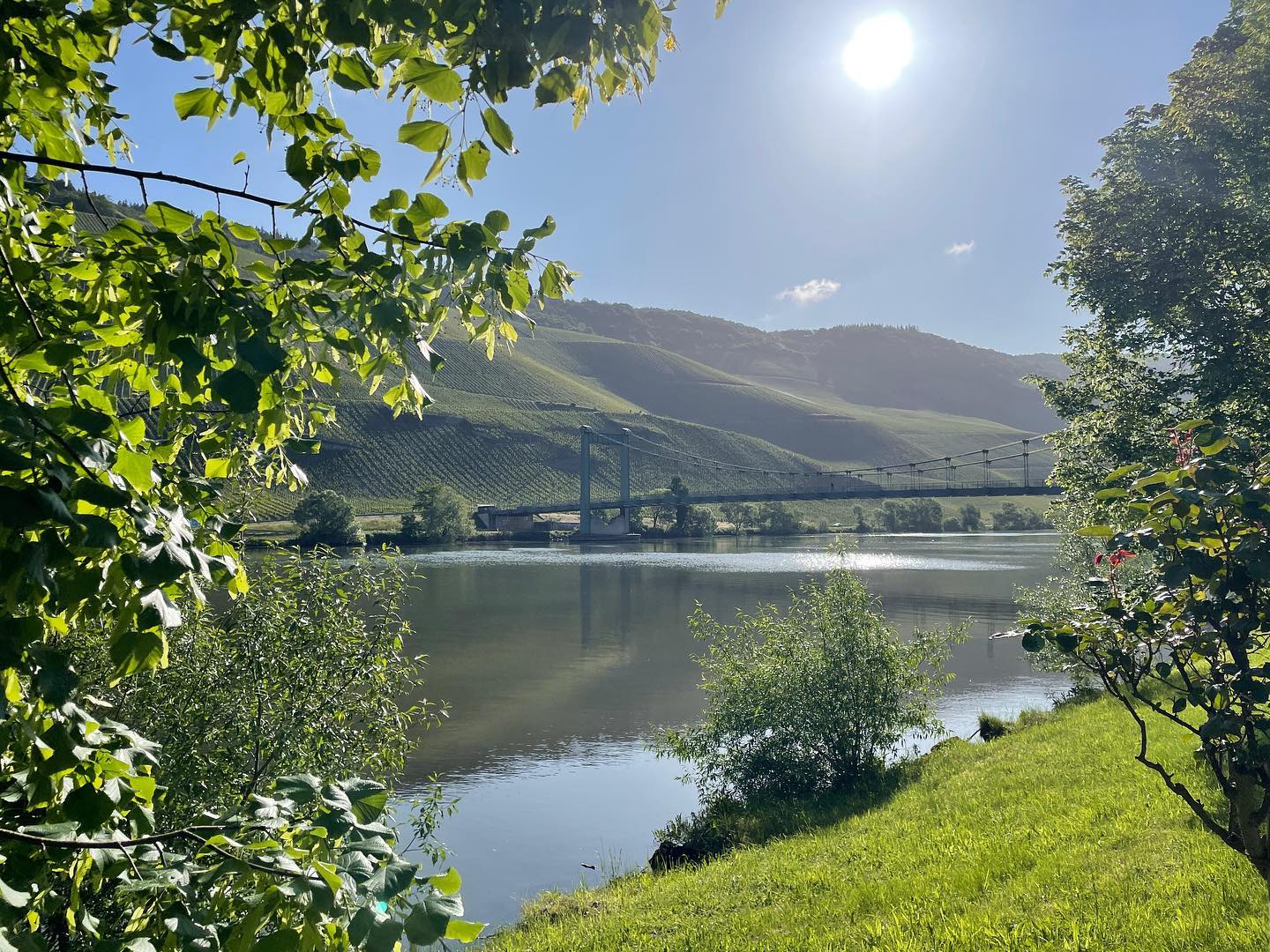
The Joh. Jos. Prüm Graacher Himmelreich Riesling Auslese 2024 is a refined, naturally sweet Riesling from the renowned Graacher Himmelreich vineyard in Germany’s Middle Mosel. Classified as a VDP.GROSSE LAGE®, Graacher Himmelreich occupies steep slopes overlooking the Mosel near the village of Graach. The vineyard is oriented predominantly south to southwest and is characterised by readily warmed blue and grey slate soils. Its hillside is crossed by natural water channels that provide the vines with a dependable source of moisture throughout the growing season. The Joh. Jos. Prüm parcel is more westward-facing, somewhat less steep and possesses deeper soils than the estate’s holdings in Wehlener Sonnenuhr. These conditions contribute to wines that combine generous fruit concentration with cool mineral freshness and finely defined acidity.
The grapes were harvested by hand and underwent spontaneous fermentation in stainless-steel tanks. Harvest began on 1 October 2024, initially producing Kabinett and Spätlese-quality fruit before warmer October conditions allowed selected grapes to reach Auslese ripeness. This regular Auslese was produced with almost no botrytis-affected fruit, preserving a particularly pure and vivid expression of the vineyard. Aromatically, the wine combines lemongrass, mint, cassis and wet slate with zesty lemon, green tangerine, greengage and white peach. The palate is concentrated yet finely proportioned, balancing ripe fruit and natural sweetness with bright citrus acidity, saline minerality and a distinctive grapefruit-like bitterness. At only 7.5% alcohol, it retains remarkable lightness despite its Auslese-level richness and depth. The finish is long, energetic and precise, carrying citrus peel, herbal freshness and persistent slate-driven salinity. Although capable of long development in the cellar, it can also accompany apricot chicken, Asian summer rolls and other gently spiced dishes.
The Joh. Jos. Prüm Graacher Himmelreich Riesling Auslese 2024 is a refined, naturally sweet Riesling from the renowned Graacher Himmelreich vineyard in Germany’s Middle Mosel. Classified as a VDP.GROSSE LAGE®, Graacher Himmelreich occupies steep slopes overlooking the Mosel near the village of Graach. The vineyard is oriented predominantly south to southwest and is characterised by readily warmed blue and grey slate soils. Its hillside is crossed by natural water channels that provide the vines with a dependable source of moisture throughout the growing season. The Joh. Jos. Prüm parcel is more westward-facing, somewhat less steep and possesses deeper soils than the estate’s holdings in Wehlener Sonnenuhr. These conditions contribute to wines that combine generous fruit concentration with cool mineral freshness and finely defined acidity.
The grapes were harvested by hand and underwent spontaneous fermentation in stainless-steel tanks. Harvest began on 1 October 2024, initially producing Kabinett and Spätlese-quality fruit before warmer October conditions allowed selected grapes to reach Auslese ripeness. This regular Auslese was produced with almost no botrytis-affected fruit, preserving a particularly pure and vivid expression of the vineyard. Aromatically, the wine combines lemongrass, mint, cassis and wet slate with zesty lemon, green tangerine, greengage and white peach. The palate is concentrated yet finely proportioned, balancing ripe fruit and natural sweetness with bright citrus acidity, saline minerality and a distinctive grapefruit-like bitterness. At only 7.5% alcohol, it retains remarkable lightness despite its Auslese-level richness and depth. The finish is long, energetic and precise, carrying citrus peel, herbal freshness and persistent slate-driven salinity. Although capable of long development in the cellar, it can also accompany apricot chicken, Asian summer rolls and other gently spiced dishes.
“The 2024 Riesling Graacher Himmelreich Auslese contains almost no botrytized fruit. Only the slightest note of zesty lemon breaks through on the shy nose. More air reveals a hint of mint sorbet. The palate, however, adds an intriguing sweetness that is so akin to the wonderfully zesty notions of green tangerine peel. The next wave of flavor pushes into greengage and juicy white peach notes, always tempered by vivid citrus. The 2024 has gorgeous linearity and such a tingling, sherbet-like insistence. It is simply wonderful and so utterly balanced.”
“In spite of the generous ripeness, the dominant aromas and flavors are Amalfi lemons, yellow grapefruit and pomelo with some fresh herbal notes. Very bright and racy, the finish much drier than you might expect for this frankly sweet category. Long, energetic, herbal finish with fascinating grapefruit bitterness and salty minerality. Drinkable now, but best from 2027.”
“The 2024 Graacher Himmelreich Auslese is pure and flinty on the intense and stony nose that reveals herbal and saline notes along with blackcurrant and dark plum skin aromas. Lush and precise on the palate, this is a concentrated yet refined and elegant, mouth-filling and textured Auslese based on ripe and partly overripe grapes.”
The Prüm family story in the Mosel dates back to 1156, beginning with was Johann Josef Prüm (1873 - 1944) who founded the estate in 1911. By the mid-1930s Johann Josef’s son, Sebastian, forged the distinctive style of the Prüm wines. From 1969, the imitable Dr Manfred Prüm would elevate Joh. Jos. Prüm to even greater heights, today the estate is run by Manfred’s daughter Katharina Prüm who watches over 13.5 hectares of vines on the harrowing slate-rich slopes of the Middle Mosel. In The Wines of Germany, Stephen Brook writes “With the rise of so many excellent winemakers in the Mosel, one might have supposed that Joh. Jos. Prüm, with its profound conservatism, might have been overtaken and left behind. Not a bit of it. The Estate remains where it has been for decades: at the summit.” Which begs the question, what is the secret to J.J. Prüm's continued success? How do they stand out among top Mosel producers? It’s all about their exceptional vineyards: old vines at great sites, keeping the lowest yields, daring but calculated late harvesting, and a careful selection of the finest berries.
Joh. Jos. Prüm's vineyards are at forefront of the estate's success. Their holdings include vineyards - Wehlener Sonnenuhr, Graacher Himmelreich, Bernkasteler Lay, Bernkasteler Badstube and Zeltinger Sonnenuhr. All of these sites are exclusively dedicated to growing and harvesting Riesling grapes for Joh. Jos. Depending on the specific vintage, the average annual production of wine is typically between 10,000 to 13,000 cases.
Prum’s four key vineyards are all located on the same continuous slope, all on a mixture of grey and blue Devonian slate soils with varying south-to-south westerly aspects. Positioned in the heart of Mosel the vineyards are named from south to north: Bernkasteler Badstube, Graacher Himmelreich, Wehlener Sonnenuhr, and Zeltinger Sonnenuhr. These vineyards have been in continuous production for some 2000 years.
The major differences between the sites have to do with the variation in the aspect (from south to southwest) and the steepness and the depth of the soil. These are subtle differences, but make for wonderfully distinctive wines. Of course all the vineyards of J.J. Prüm are renowned, but the majestic Wehlener Sonnenuhr vineyard that is the most famous. The revered site lies opposite the village of Wehlen and the Estate owns seven hectares—largely planted to ungrafted wines—which has very thin topsoil over Devonian slate (in some areas of the vineyard the plants grow out of pure rock!). Wehlener Sonnenuhr has the highest pure stone content of all the Prüm vineyards, and along with neighbouring Zeltinger, the steepest of Prüm’s vineyards—with a dizzying 65-70% gradient in places. Wine writer Stuart Pigott summarises perfectly, “In top vintages the Wehlener Sonnenuhr yields the richest, silkiest, most seductive wines on the Mosel. The fame of these Rieslings is inextricably linked with that of the Joh Jos Prüm estate.”
Lemongrass, fresh mint, cassis, zesty lemon, white peach and wet slate.
Greengage, green tangerine, white peach, bright acidity, natural sweetness and saline minerality.
Lingering grapefruit peel, fresh herbs, citrus bitterness and persistent slate-driven salinity.