Sale
Penfolds Grange + St Henri: The Collector's Set
Two of Australia's most enduring red wine expressions, together in one collection. Grange and St Henri represent opposite poles of the Penfolds phi...
View full details
Sale
Two of Australia's most enduring red wine expressions, together in one collection. Grange and St Henri represent opposite poles of the Penfolds phi...
View full details
Sale
Product Description:Elegant concentration and finely tuned structure define this expressive Central Otago Pinot Noir from one of Bannockburn’s benc...
View full details
Sale
Product Description:Bright Tasmanian purity and understated complexity define this elegant cool-climate Pinot Noir. The 2025 Pooley Pinot Noir is ...
View full details
Sale
Product Description:Rich texture and southern Rhône elegance define the Château Mont-Redon Châteauneuf-du-Pape Blanc 2024, a beautifully composed w...
View full details
Sale
Product Description:Curiously modern yet unmistakably Hendrick’s, Another Hendrick’s Gin 700ml is an inventive new expression from the iconic Scott...
View full detailsREVIEWS + ACCOLADES
One of the finest examples of Malbec in Australia. It always has great density, opulence and a plush, graceful texture. The Wendouree vineyard is dry farmed and grapes are handpicked. In the winery, wines are fermented with indigenous yeasts in open-top, stainless-steel fermenters. Post-ferment, French oak barrels are sourced for aging for up to 12 months.
Smells like Malbec well enough, with its rosy perfume and ripe plum flavour, though there’s gumleaf and aniseed too, giving it a Clare Valley accent. It’s medium to full bodied, bold plum and blackberry, strewn with dried herb and spice, a slight warmth and dark chocolate bitterness, fleshy open-weave tannin, biscuit and cedar oak, and a pretty long and savoury finish. Perhaps lacking some focus, but the generosity of flavour is compensation.
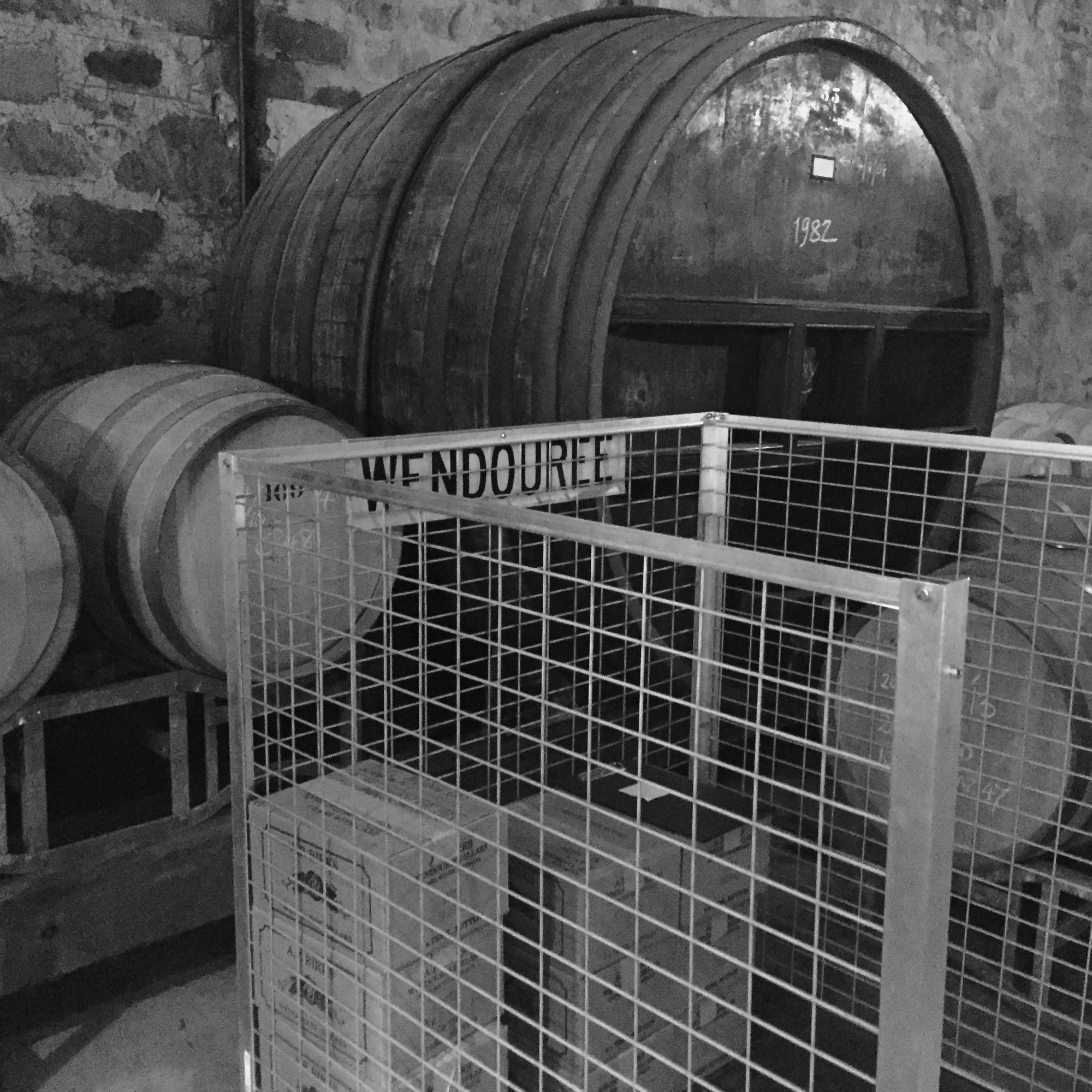
Wendouree has remained one of the quiet benchmarks of Australian wine since the vineyard was first planted in 1893 by Alfred Percy Birks. Today, Tony and Lita Brady continue the estate’s deeply traditional approach, preserving a style shaped by old vines, low-intervention viticulture, and an unwavering connection to place. Situated on an easterly ridge on the northern edge of South Australia’s Clare Valley, the unirrigated vineyards are rooted in shallow red loam over limestone, conditions that naturally limit yields and intensify concentration.
The estate’s oldest Shiraz vines, many dating back to the original 1893 plantings, are believed to contain genetic material linked to the historic James Busby collection. These low-yielding vines produce small berries with thick skins and high seed content, giving Wendouree wines their structure, depth, and longevity. In the winery, the approach remains deliberately restrained and largely laissez-faire, allowing vineyard character and seasonal variation to define each release rather than heavy-handed winemaking.
Despite the estate’s standing among Australia’s most revered producers, older bottles remain remarkably scarce. Until 1974, Wendouree wines were sold in bulk to merchants for bottling and distribution, meaning many early wines were blended or released without estate labelling. That rarity has only deepened the reputation of Wendouree Shiraz, now regarded as one of the country’s most distinctive and enduring expressions of old-vine Australian Shiraz.
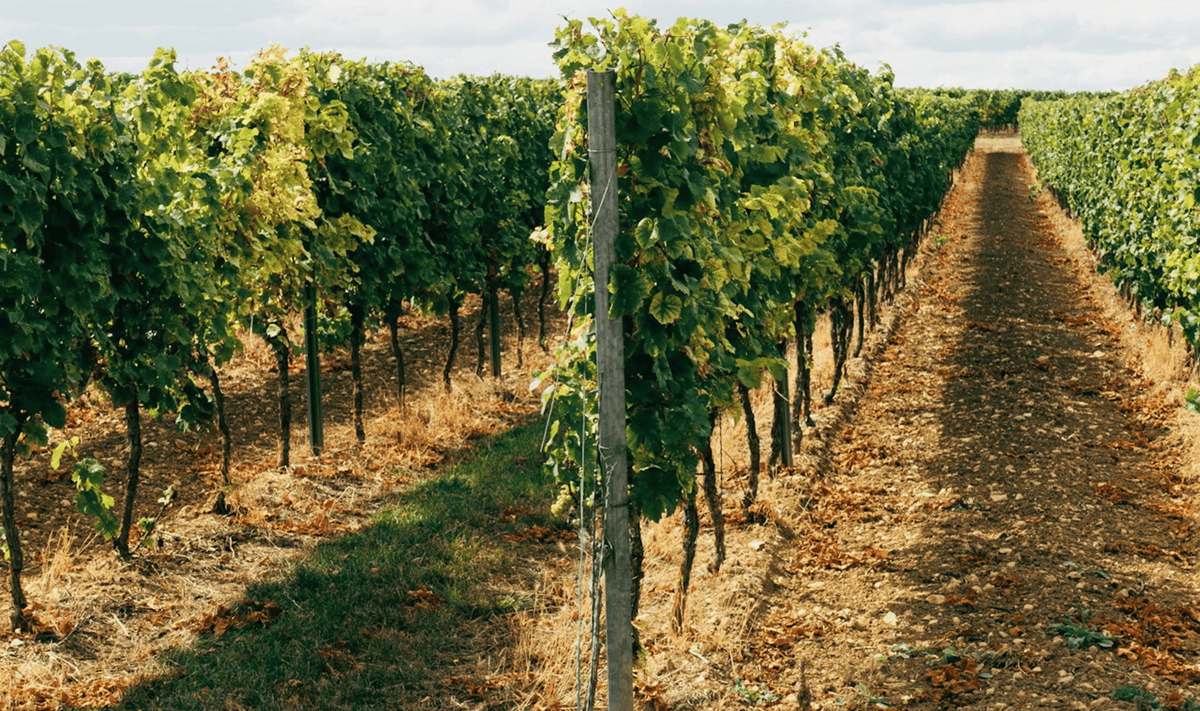
Established in 1892, the Clare Valley vineyard remains the foundation of Wendouree’s wines. Across just 12 hectares, the site preserves a rare collection of old vines, including bush-trained Shiraz planted in 1892 and 1893, along with Mataro grafted onto 1898 rootstock. The eastern block includes Shiraz planted in 1919 and 1920, plus Cabernet Sauvignon and Malbec grafted onto 1920s rootstock. The youngest plantings date from 1975 and the early 1980s, offering a living record of Clare Valley viticulture.
The unirrigated vineyards are planted predominantly on red loam over limestone, with smaller sections of shale and sandy loam adding further complexity. Elevations range from 450 to 530 metres, yet the reds are typically harvested earlier than elsewhere in Clare Valley. Naturally low yields, averaging just under 30 hectolitres per hectare, produce wines of concentration, structure, and balance.
Winemaking remains deliberately traditional. Fruit is hand-harvested, basket pressed, and fermented in open-top fermenters with manual plunging. The wines undergo malolactic fermentation in stainless steel before maturation in 300-litre fine-grain French oak barrels, around 25% new, for approximately 12 months. Blending takes place after ageing, with bottling carried out using only a light filtration.
Rosy perfume and ripe plum flavour, though there’s gumleaf and aniseed too, giving it a Clare Valley accent.
It’s medium to full bodied, bold plum and blackberry, strewn with dried herb and spice, a slight warmth and dark chocolate bitterness, fleshy open-weave tannin.
Biscuit and cedar oak, and a pretty long and savoury finish. Perhaps lacking some focus, but the generosity of flavour is compensation.