


Bannockburn Grigsby Chardonnay 2024
$84.99
Find Fastest Delivery
Maker
Bannockburn
VarietalChardonnay
Country
Australia
RegionGeelong, Victoria
Vintage2024
ABV13%
Size
750ml
StyleWhite Wine
Taste ProfileStonefruit and flint
Tasting NotesLearn more
Add it with...
Tasting Notes

SMOKEY
NUTTY
FRUITY
FLORAL
SWEET
SPICY

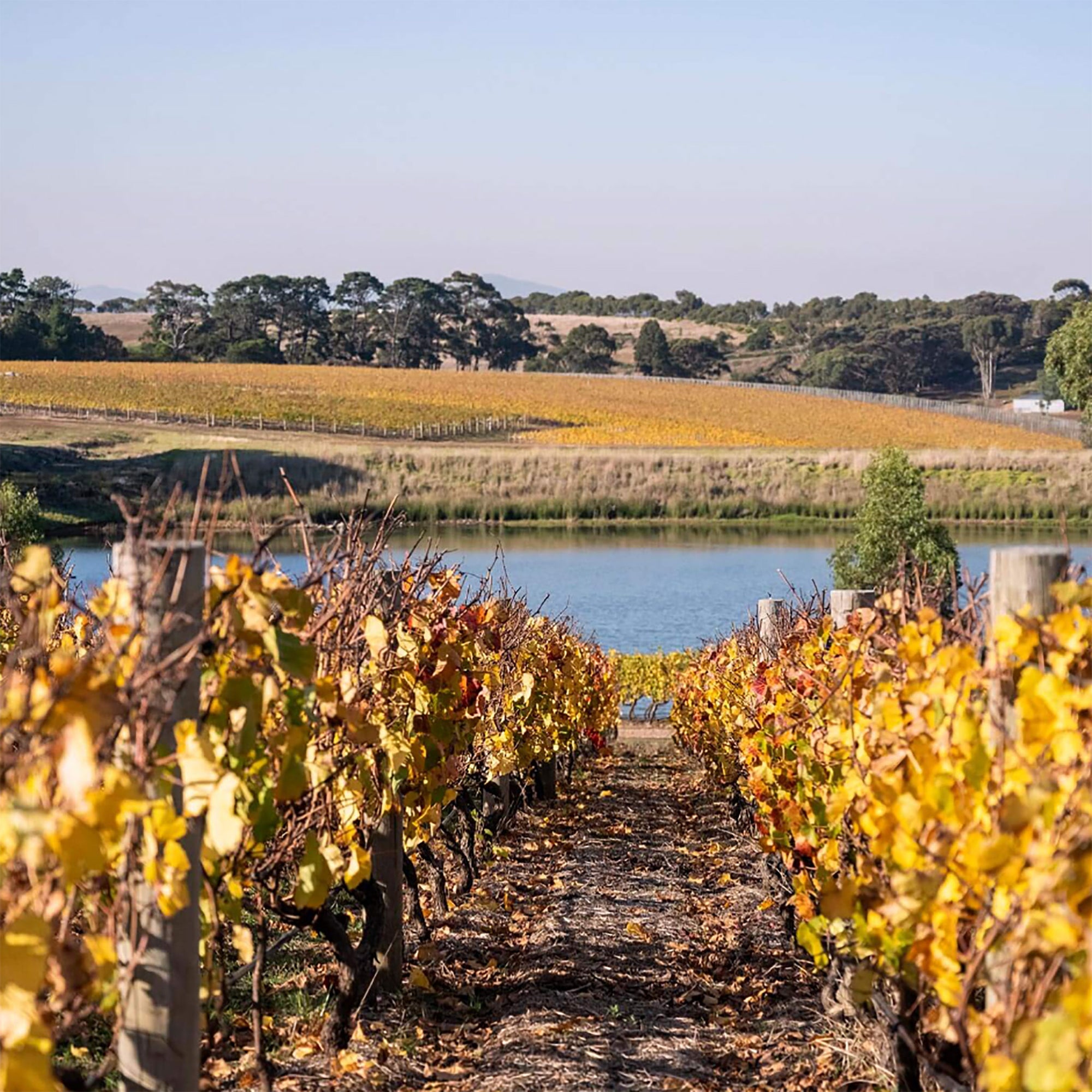
Bannockburn
Reviews
Good To Know
Can you help me choose the right bottle?
Yes. Whether you're planning for an occasion, comparing vintages or looking for something specific, we're happy to help. Reach us via live chat or email, or submit a callback request, for personalised advice.
Can I send this as a gift?
Yes. You can send your order directly to the recipient. All orders are sent without invoices, paperwork or pricing information, and gift cards, gift wrapping and engraving can be added where available from the product page or your cart.
What delivery options are available?
Delivery options are based on your location and the items in your cart. We offer Standard and Express delivery across Australia, with Same Day delivery available to eligible Sydney Metro addresses. Enter your delivery details at checkout to see the available services, estimated delivery timeframes and pricing for your order.
Can I get my order by a specific date?
If your order is time-sensitive, choose the fastest available delivery option at checkout or get in touch via live chat before ordering. We can help you determine the best available option for your location and required date.
How do you source your range?
We source our range through established producers, importers and distributors, with provenance and product integrity considered throughout our buying process.
Can you assist with events, corporate gifting or larger orders?
Yes. We can assist with tailored product selection, gifting and delivery requirements. Visit our Events & Large Orders or Corporate Gifting pages for more information, or get in touch via live chat to discuss your requirements.
What if my order arrives damaged or incorrect?
If your order arrives damaged, incorrect or isn't as expected, please get in touch as soon as possible with your order details and photos where relevant. We'll review the issue and advise on the next steps in line with our Returns Policy.
